
In a decision that has left the global automotive and technology sectors reeling, the Canadian government made an unprecedented move today by blocking the operations of Tesla and several other American automakers within its borders. This unexpected action has sparked a firestorm of reactions from political leaders, industry executives, and the public, all of whom are now grappling with the implications of such a bold and aggressive stance.
The Canadian government’s decision to shut down the operations of some of the world’s leading automotive companies has sent shockwaves throughout the global economy, particularly in the electric vehicle (EV) industry. However, the most surprising twist came soon after the announcement, when Tesla’s CEO, Elon Musk, took to social media with a cryptic nine-word message that could hold the key to understanding this complex and highly controversial situation.
Canada’s Bold Move
The Canadian government’s blockade of Tesla and other American automakers came as a shock to many, especially given the strong economic ties between the United States and Canada. Over the past few years, Tesla has established a significant presence in Canada, with several Gigafactories operating across the country and a growing network of Supercharger stations. The company has been a key player in Canada’s push toward electrification, contributing to the nation’s goal of reducing carbon emissions and transitioning to renewable energy sources.
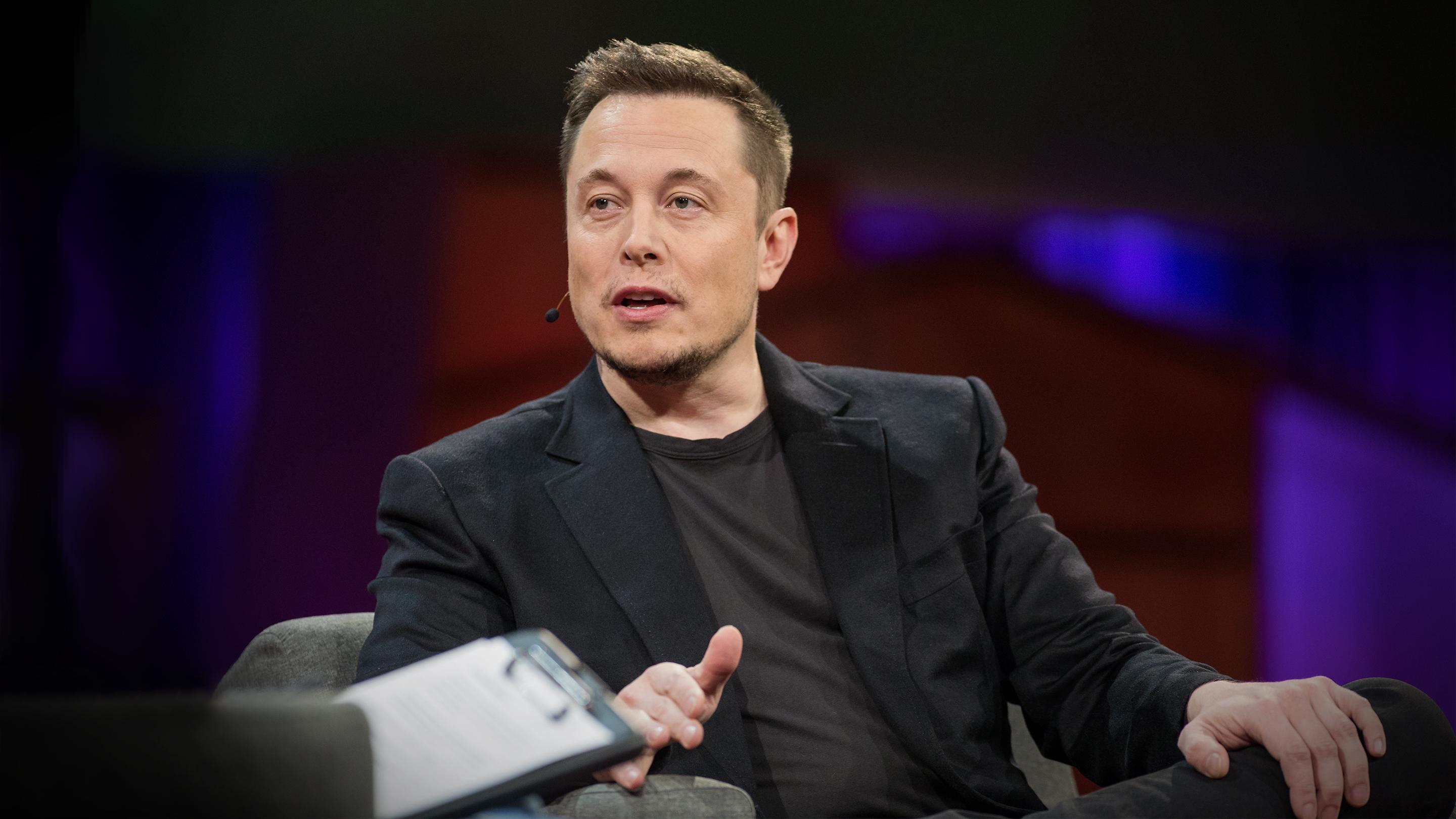
Yet, in a surprise announcement, the Canadian government revealed that it had made the decision to revoke the operating licenses of Tesla, General Motors (GM), Ford, and several other American automotive giants. The move has not only disrupted the operations of these companies but has also raised questions about the future of the electric vehicle market in Canada.
In the announcement, the government cited concerns over national security and economic sovereignty as the driving factors behind the decision. Canada’s Minister of Industry, François-Philippe Champagne, explained that the government had taken this step to ensure that domestic automakers, including Canadian companies like Magna International and Linamar, would have a more level playing field in the increasingly competitive EV market.
“There are growing concerns regarding foreign control over critical industries in our country. We are taking this action to protect Canadian interests and ensure that our own companies can compete fairly,” Champagne stated in a press briefing.
The move has sparked intense debates across Canada and beyond, with many questioning whether the government’s decision is politically motivated or if it is genuinely driven by national security concerns. The automotive industry, which has been one of Canada’s key economic sectors for decades, is now in turmoil, and the future of electric vehicle production in the country is uncertain.
A Global Backlash
The Canadian government’s actions have not gone unnoticed on the global stage. The blockade of Tesla and other American automakers has triggered a fierce backlash, particularly from the United States, where the automotive industry has a significant influence on the economy. Industry leaders, politicians, and business groups have condemned Canada’s decision, calling it a protectionist move that could have severe consequences for international trade relations.
U.S. President Joe Biden expressed his concern about the blockade, emphasizing the importance of free trade and cross-border cooperation between the two countries. “Canada’s decision is deeply troubling. We have long enjoyed a strong economic partnership, and actions like these could jeopardize that relationship,” President Biden said in a statement.
Tesla, which has been at the forefront of the EV revolution and has made significant investments in Canada, was particularly vocal in its criticism of the blockade. The company’s spokesperson described the decision as “short-sighted” and “detrimental to both Canadian consumers and the environment.” Tesla has long been viewed as a leader in the electric vehicle market, and the company’s sudden expulsion from the Canadian market could have far-reaching consequences.
The European Union also weighed in on the issue, with several officials expressing concerns about the potential for increased trade barriers between Canada and the rest of the world. “This is a dangerous precedent that could set back the progress made in international trade agreements and cooperation,” said Ursula von der Leyen, President of the European Commission.
The international backlash has only intensified as more details about the decision have emerged. Some have speculated that Canada’s move could be part of a broader geopolitical strategy aimed at asserting greater control over its own economy and reducing dependence on American technological and industrial dominance. Others believe that the decision is a response to growing tensions between Canada and the U.S. over issues like trade imbalances, labor relations, and climate policy.
Elon Musk’s Cryptic Response
As the news spread and the controversy deepened, all eyes turned to Tesla’s CEO, Elon Musk, for a response. Known for his provocative and often enigmatic social media posts, Musk did not disappoint. In a tweet that took the world by surprise, Musk posted a simple nine-word message: “The truth will come out. Wait for it, Canada.”
The tweet immediately went viral, sparking widespread speculation about what Musk meant by this cryptic statement. Was Musk hinting at some kind of hidden agenda behind the Canadian government’s actions? Was he suggesting that there is more to this story than meets the eye? The ambiguity of Musk’s message only fueled further intrigue, with many wondering whether he had insider information about the true motives behind the blockade.
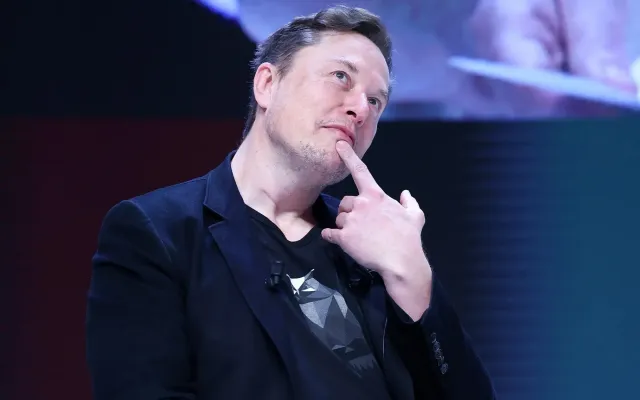
Some analysts have suggested that Musk’s message could be a reference to the growing influence of Canadian tech companies in the EV sector. In recent years, Canadian startups like ElectraMeccanica and Canoo have been making strides in the electric vehicle market, and it’s possible that the Canadian government is positioning these companies to challenge Tesla’s dominance. Others have speculated that Musk’s comment could be a veiled warning to the Canadian government, indicating that Tesla may have other plans in the works to counter the blockade.
What’s Next for the EV Market in Canada?
The blockade of Tesla and other American automakers by the Canadian government marks a significant turning point for the country’s electric vehicle industry. While the immediate fallout has been dramatic, the long-term effects of this decision remain to be seen.
Industry experts predict that the blockade could have a chilling effect on foreign investment in Canada’s automotive sector. The loss of major players like Tesla and General Motors could lead to job losses, economic instability, and a slowdown in the adoption of electric vehicles.
On the other hand, the move could also create opportunities for Canadian companies to take the lead in the rapidly growing EV market. With the right government support and investment, domestic automakers could capitalize on the disruption caused by the blockade and establish themselves as key players in the global EV race.
As the situation unfolds, one thing is clear: the future of electric vehicles in Canada is now more uncertain than ever. And with Elon Musk’s cryptic message hanging in the air, the question remains: what is the truth behind Canada’s dramatic move, and what are the implications for the world’s electric vehicle revolution?
Only time will tell.
News

Kelly Khumalo Responds to Controversial Allegations by Brother Enigma
Kelly Khumalo Responds to Controversial Allegations by Brother Enigma Kelly Khumalo, one of South Africa’s most celebrated yet polarizing music…

‘This is my husband & his side chick. I’m currently going through depression cuz of these two.
‘This is my husband & his side chick. I’m currently going through depression cuz of these two. Look, Benita, I…

My husband, who only eats when the lights are off, wasn’t at the dining table. The moment I turned the lights on, the dining room was empty.
My husband, who only eats when the lights are off, wasn’t at the dining table. The moment I turned the…

”Agnes, Why’re You been avoiding Me all this while?” I summoned Courage to entered her office This Morning.
Initially, I didn’t want to even bother myself meeting her to ask why She’s not talking to me again, or…

“A Waitress Disappeared During a Shift in Chihuahua — One Year Later, the Cook Found This in the Restaurant.”
Miguel Torres Sandoval was finishing cleaning the grills at El Fogón del Norte restaurant when he noticed that a kitchen…

At My Sister’s Funeral, I Got a Text From A Private Number: “I’m Alive, Don’t Trust Our Parents.”
I’d grown up watching those eyes measure what they could take. Mama pressed my shoulder, her voice trembling just enough…
End of content
No more pages to load